
Our Publications

A curated collection of Digital Health and Rights Project peer-reviewed journal articles, reports, policy briefs, and more for in-depth exploration.

Meaningful Participation of Young Adults and Civil Society in Digital Governance Consultations: Research Brief

Digital Health and Rights Project Consortium + et al

This research brief shares findings from a study with 50 young adults and civil society leaders from Colombia, Ghana, Kenya and Vietnam who advocated for digital rights in local, national, regional and global consultations to explore what they experienced as meaningful in their participation.

A Rights-Based Approach to the WHO Global Strategy on Digital Health 2028-2033: Policy Brief

Sara L.M. Davis

This brief draws on a review of human rights standards and peer-reviewed studies of digital health strategies
to recommend steps to wire human rights into digital health by design: Set clear objectives to spur action to address human rights harms; Build on existing UN human rights standards
and platforms; and Promote greater accountability, including meaningful participation of young people and civil society in digital health governance.

The Future of Human Rights in the Digital Age: Kenya Policy Brief

Olendo Obondo + et al

This policy brief summarises recommendations from a study conducted by the Digital Health and Rights Project (DHRP)10 in Kenya (led in Kenya by the Kenya Legal and Ethical Issues Network on HIV and AIDS (KELIN) and University of Warwick).

The study, part of a four-country transnational participatory action research project, examined how young people living with HIV (PLHIV), young female sex workers,
and young LGBTQ+ individuals navigate digital spaces, focusing on empowerment, inclusion, and governance from a human rights perspective. The policy brief, led by KELIN, shares evidence-based recommendations for Kenya.

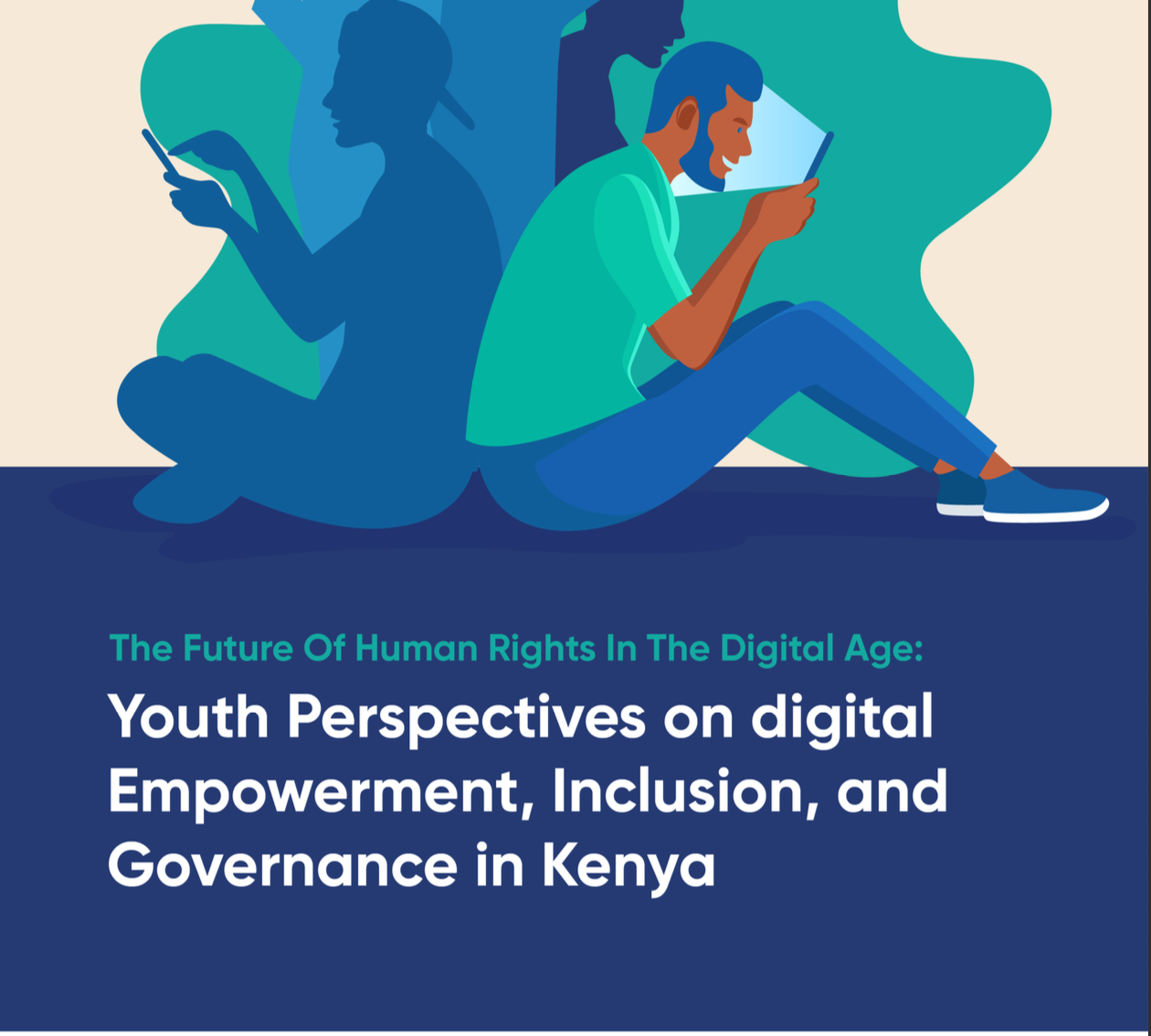
The Future of Human Rights in the Digital Age: Youth Perspectives on Digital Empowerment, Inclusion, and Governance in Kenya

Olendo Obondo + et al

This research explores how digital health systems in Kenya can exacerbate inequality in the context of inadequate governance and rights protections. Based on participatory research with marginalized young people, it emphasizes a “triple barrier” consisting of high connectivity costs, stigma, and low digital literacy, along with privacy risks and widespread technology-facilitated abuse. These challenges frequently result in individuals withdrawing from digital platforms. Findings reveal gaps in enforcement of data protection and limited availability of remedies, positioning digital health as an issue of governance and equity while advocating for enhanced rights-based policies, inclusive access, and meaningful youth participation in decision-making processes.

Commentary: Political determinants of digital health: beyond the rainbow

Sara L.M. Davis

This essay draws on the HIV response to critically engage with recent literature on the digital determinants of health, proposing an approach to analyzing broader political determinants of health, including commercial determinants of health, and other laws, policies, governance, and civic engagement relevant to digital health strategies. By rendering visible the role of politics, governance, and civic engagement in digital health, strategies can be tools to mobilize broad collaborations and advocacy that creates an enabling environment.

Image by Sajad Nori from Unsplash

Report: Strengthening Investment and Accountability in Digital Literacy and Human Rights

STOPAIDS

Digital technologies are transforming the global health landscape, presenting both opportunities and risks to human rights, especially for historically marginalised populations. While digital tools can improve access to health information and services, reduce stigma, and increase autonomy, digital platforms also present risks, including inequitable access to technology, resulting in digital divides and exacerbating existing societal inequalities. Lack of effective governance and regulation of digital technologies has also led to a lack of protection for users.