
Our Publications

A curated collection of Digital Health and Rights Project peer-reviewed journal articles, reports, policy briefs, and more for in-depth exploration.

Meaningful Participation of Young Adults and Civil Society in Digital Governance Consultations: Research Brief

Digital Health and Rights Project Consortium + et al

This research brief shares findings from a study with 50 young adults and civil society leaders from Colombia, Ghana, Kenya and Vietnam who advocated for digital rights in local, national, regional and global consultations to explore what they experienced as meaningful in their participation.

A Rights-Based Approach to the WHO Global Strategy on Digital Health 2028-2033: Policy Brief

Sara L.M. Davis

This brief draws on a review of human rights standards and peer-reviewed studies of digital health strategies
to recommend steps to wire human rights into digital health by design: Set clear objectives to spur action to address human rights harms; Build on existing UN human rights standards
and platforms; and Promote greater accountability, including meaningful participation of young people and civil society in digital health governance.

The Future of Human Rights in the Digital Age: Kenya Policy Brief

Olendo Obondo + et al

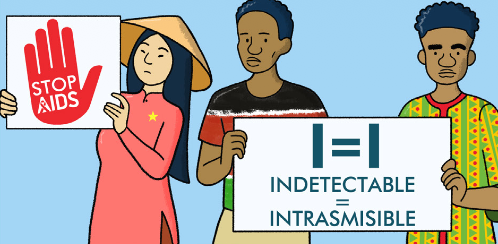
This policy brief summarises recommendations from a study conducted by the Digital Health and Rights Project (DHRP)10 in Kenya (led in Kenya by the Kenya Legal and Ethical Issues Network on HIV and AIDS (KELIN) and University of Warwick).

The study, part of a four-country transnational participatory action research project, examined how young people living with HIV (PLHIV), young female sex workers,
and young LGBTQ+ individuals navigate digital spaces, focusing on empowerment, inclusion, and governance from a human rights perspective. The policy brief, led by KELIN, shares evidence-based recommendations for Kenya.

Defining Digital Health: Recommended Definitions on Digital Health and Human Rights for Policy-Makers

Cindy Marcela Zapata + et al

Language matters, and how we define digital health can shape how we experience it. However, digital health stakeholders often define key terms in different ways. This can result in difficulties when policy-making, as deciding to use one definition may exclude others and therefore the varied experiences and understandings of the subject.

DIGITAL HEALTH RIGHTS: INITIAL ANALYSIS

Tara Imalingat + et al

Digital health is growing rapidly; 2020 alone saw over $14.1 billion in new investment (Rock Health 2020). But as health systems increasingly become digitized, will access to health services be improved, or will digitization amplify inequalities, causing unintended harm to those who have historically experienced discrimination?

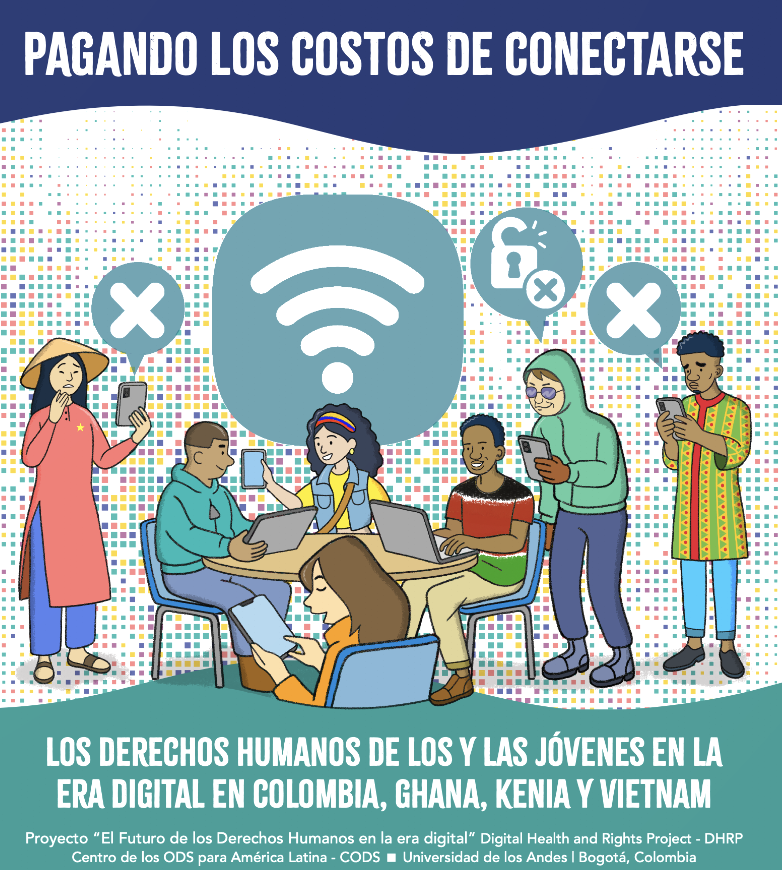
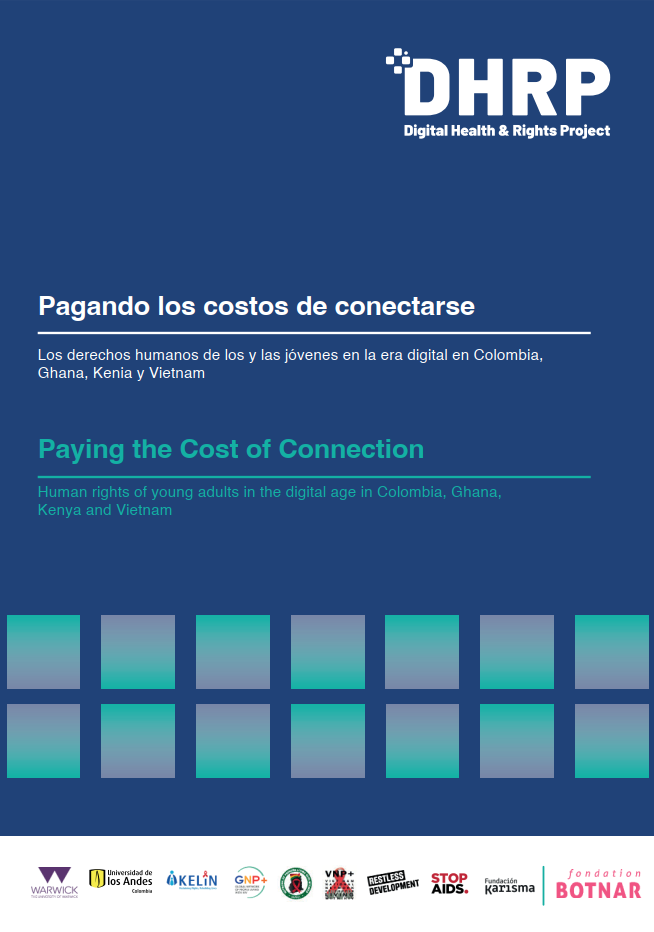
Pagando los costos de conectarse: Derechos humanos de jóvenes adultos en la era digital en Colombia, Ghana, Kenya y Vietnam

Centro de los Objetivos de Desarrollo Sostenible para América Latina y el Caribe - Universidad de los Andes + et al

Cocreado con más de 300 personas jóvenes adultas de zonas rurales, urbanas y periurbanas de Kenia, Ghana, Vietnam y Colombia, este informe de investigación ofrece perspectivas sobre cómo las personas jóvenes adultas que viven en los márgenes están asumiendo los costes de conectarse a la salud en línea.

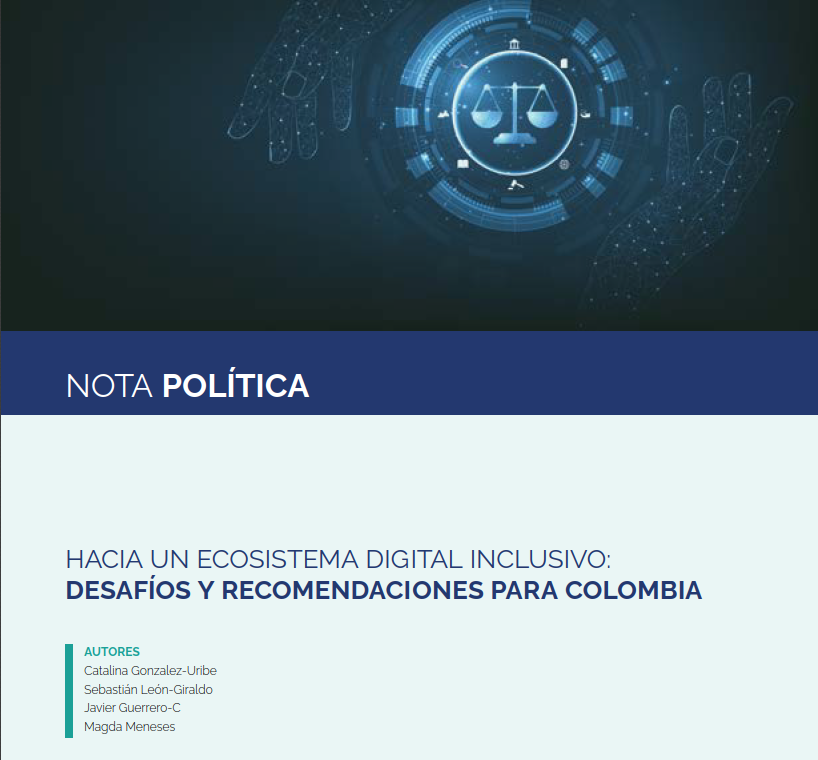
Hacía un ecosistema digital inclusivo: desafíos y recomendaciones para Colombia

Meneses, Magda + et al

El documento de política analiza los retos y oportunidades de Colombia para garantizar los derechos humanos en entornos digitales y propone cinco estrategias para un ecosistema más inclusivo. Destaca la brecha digital, la violencia de género tecnológica, la vigilancia y la exclusión, y plantea una transformación digital participativa que reduzca desigualdades y proteja derechos como educación, salud y privacidad.

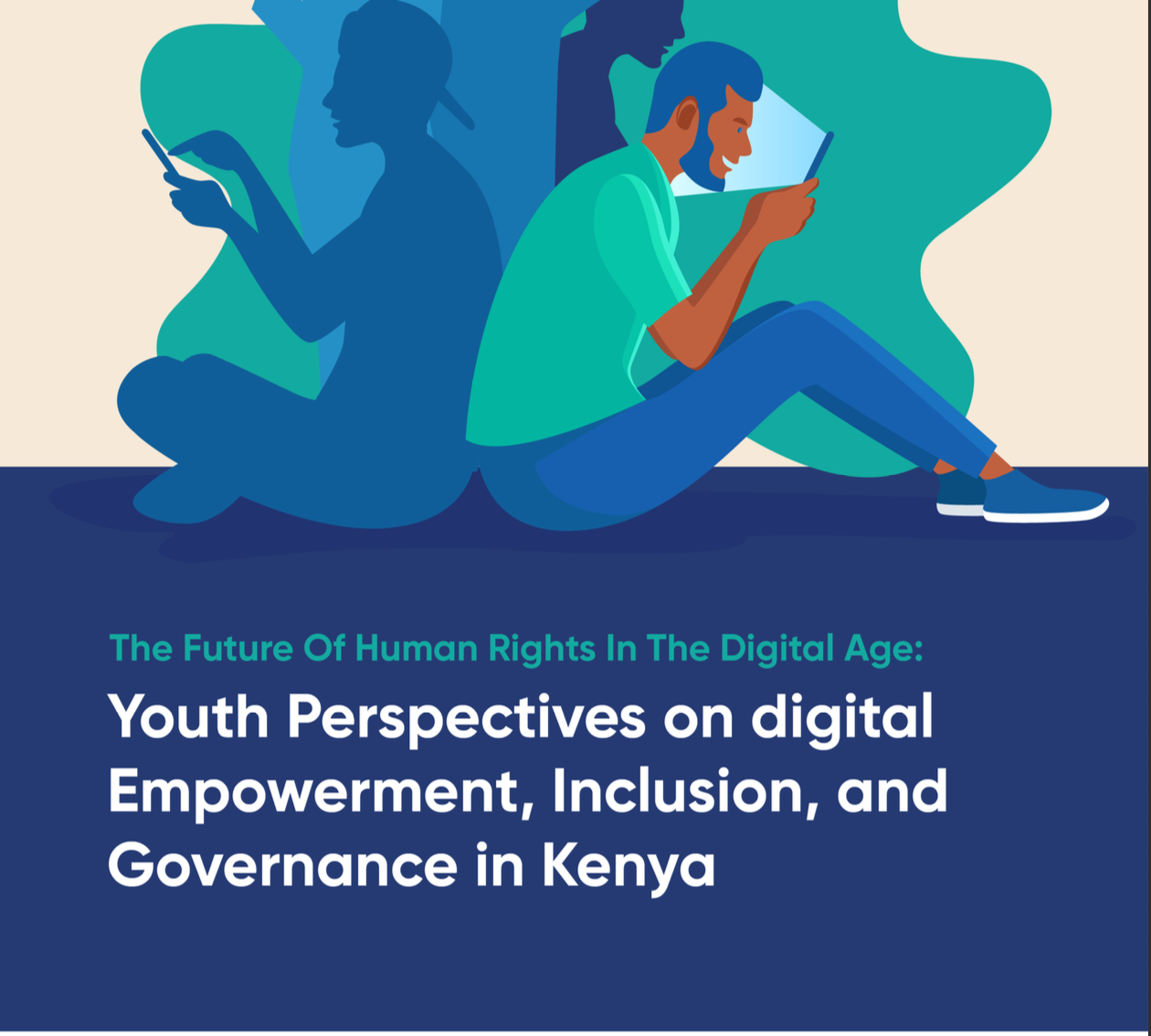
The Future of Human Rights in the Digital Age: Youth Perspectives on Digital Empowerment, Inclusion, and Governance in Kenya

Olendo Obondo + et al

This research explores how digital health systems in Kenya can exacerbate inequality in the context of inadequate governance and rights protections. Based on participatory research with marginalized young people, it emphasizes a “triple barrier” consisting of high connectivity costs, stigma, and low digital literacy, along with privacy risks and widespread technology-facilitated abuse. These challenges frequently result in individuals withdrawing from digital platforms. Findings reveal gaps in enforcement of data protection and limited availability of remedies, positioning digital health as an issue of governance and equity while advocating for enhanced rights-based policies, inclusive access, and meaningful youth participation in decision-making processes.