
Our Publications

A curated collection of Digital Health and Rights Project peer-reviewed journal articles, reports, policy briefs, and more for in-depth exploration.

A Rights-Based Approach to the WHO Global Strategy on Digital Health 2028-2033: Policy Brief

Sara L.M. Davis

This brief draws on a review of human rights standards and peer-reviewed studies of digital health strategies
to recommend steps to wire human rights into digital health by design: Set clear objectives to spur action to address human rights harms; Build on existing UN human rights standards
and platforms; and Promote greater accountability, including meaningful participation of young people and civil society in digital health governance.
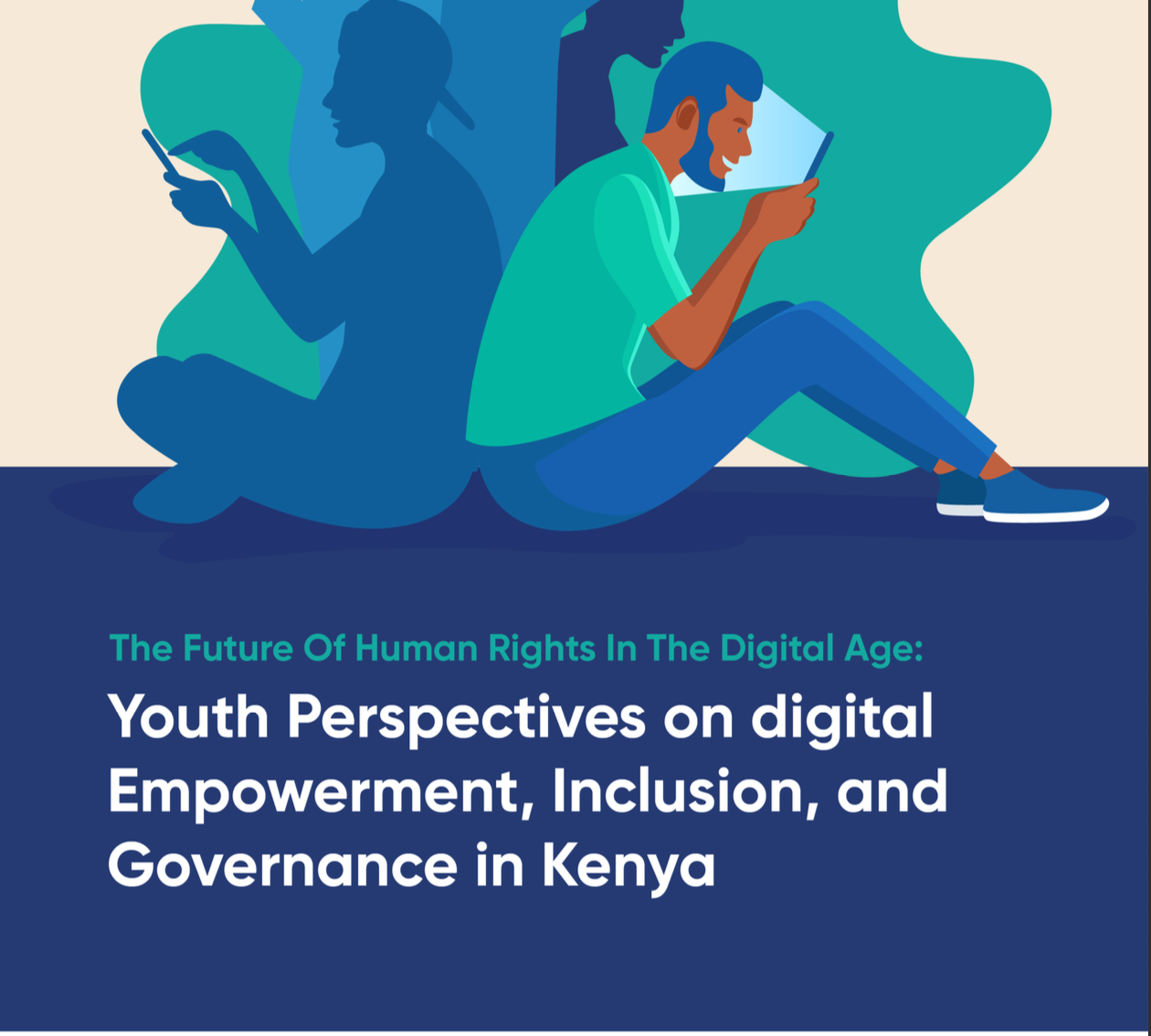
The Future of Human Rights in the Digital Age: Kenya Policy Brief

Olendo Obondo + et al

This policy brief summarises recommendations from a study conducted by the Digital Health and Rights Project (DHRP)10 in Kenya (led in Kenya by the Kenya Legal and Ethical Issues Network on HIV and AIDS (KELIN) and University of Warwick).

The study, part of a four-country transnational participatory action research project, examined how young people living with HIV (PLHIV), young female sex workers,
and young LGBTQ+ individuals navigate digital spaces, focusing on empowerment, inclusion, and governance from a human rights perspective. The policy brief, led by KELIN, shares evidence-based recommendations for Kenya.

National Policy Brief – Navigating Human Rights and Risks Online: Young Ghanaians and the Future of Digital Health

Digital Health and Rights Project

This national policy brief examines how young people in Ghana navigate digital spaces to access health information, with a focus on human rights and exposure to online risks. Drawing on participatory research, it highlights experiences of online harms and abuse, misinformation, and privacy concerns affecting young key populations. It finds that marginalised young adults face significant economic barriers, particularly the high cost of mobile devices and internet data, limiting access. Stigma related to health status, gender identity, and occupation further discourages engagement. These intersecting risks deepen exclusion, underscoring the need for inclusive, rights-based digital health policies that ensure safe, affordable, and equitable access.

Hacía un ecosistema digital inclusivo: desafíos y recomendaciones para Colombia

Meneses, Magda + et al

El documento de política analiza los retos y oportunidades de Colombia para garantizar los derechos humanos en entornos digitales y propone cinco estrategias para un ecosistema más inclusivo. Destaca la brecha digital, la violencia de género tecnológica, la vigilancia y la exclusión, y plantea una transformación digital participativa que reduzca desigualdades y proteja derechos como educación, salud y privacidad.

Paying the Costs of Connection : Vietnam Policy Brief

VNP+

This brief explores digital health and rights issues, reviews the current policy landscape, identifies gaps, and offers recommendations to internet users—especially young adults living with HIV or from marginalized communities (who are even more vulnerable than they already are, due to the fear of data leak, exposure, stigma, digital divides, and absence of in-person support), as well as government authorities, NGOs, and donors. These recommendations, informed by the study Paying the costs of connection: Human rights of young adults in the digital age in Colombia, Ghana, Kenya and Vietnam”, conducted by the Digital Health and Rights Project (DHRP) and funded by Fondation Botnar, aim to ensure young adults can engage safely, responsibly, and meaningfully in the digital space.

Paying the Costs of Connection : Global Policy Brief

Digital Health and Rights Project + et al

In 2025, DHRP published ‘Paying the costs of connection: Human rights in the digital age in Colombia, Ghana, Kenya and Vietnam’. The report explores young adults’ experiences and opinions of the digital transformation and how it affects their health and human rights. As it uses a participatory action research approach, it helps fil a gap in current knowledge and practice, as young people are often left out of decision-making and policy discussions that affect their lives.

Our findings highlight four key themes demonstrating that many factors interconnect to shape young adults’ experiences of human rights in the digital age in Colombia, Ghana, Kenya and Vietnam.